Rich Gasaway

Richard B. Gasaway served 33 years on the front lines as a firefighter, EMT-Paramedic and fire chief. He earned his Doctor of Philosophy degree while studying how individuals, teams and organizations develop and maintain situational awareness and make decisions in high stress, high consequence, time compressed environments. Dr. Gasaway is widely considered to be one of the nation's leading authorities on first responder situational awareness and decision making. His material has been featured and referenced in more than 400 book chapters, research projects, journal articles, podcasts, webinars and videos. His research and passion to improve workplace safety through improved situational awareness is unrivaled. Dr. Gasaway's leadership and safety programs have been presented to more than 42,000 first responders, emergency managers, medical providers, military personnel, aviation employees, industrial workers and business leaders throughout North America, Europe, Asia and Australia.

Ignoring the Signs of Danger

A lesson on situational awareness: The tones drop for a reported residential fire. On the way to the call, dispatch reports multiple calls, confirming a working fire. On arrival the crew sees fire blowing out the B-C corner of the single story, detached residential dwelling. The resident is standing in the front yard. A quick […]

Ignoring the Signs of Danger Read More »

Penalties and Discipline Will Not Improve Safety

I read with great interest (and concern) an article recently published about how the San Francisco Fire Department is being fined $21,000 by state investigators for violations to safety laws that led to the deaths of two firefighters on June 2. My concern for this action is not an attempt, in any way, to diminish

Penalties and Discipline Will Not Improve Safety Read More »

Flawed Expectations of Personnel Can Impact Situational Awareness

You develop situational awareness by using your senses to capture information (Level 1 situational awareness). Those clues and cues are then processed into understanding (Level 2 situational awareness). Once you understand what is happening, you can then make predictions of future events (Level 3 situational awareness). This article focuses on the third level of situational

Flawed Expectations of Personnel Can Impact Situational Awareness Read More »

Situational Awareness Matters!

How Could They Be So Stupid?

Recently I was having a conversation with a fire commander who shared the following experience. He stopped by one of the stations for a visit and came upon a group of firefighters huddled around a computer screen watching videos. Relax. This is not a lecture on watching inappropriate videos on fire department computers. In fact,

How Could They Be So Stupid? Read More »

Flawed Situational Awareness at Structure Fires

How significant (or stated another way… “How big a deal”) is flawed situational awareness as a contributing factor to firefighter near-miss events at structure fires? A. Not that big a deal B. Pretty big deal C. Really big deal (If you have attended one of my situational awareness programs you probably already know the answer

Flawed Situational Awareness at Structure Fires Read More »

Mayday Radio Channel

I recently was contacted by a fire officer asking whether their mayday procedure should include a provision for a dedicated mayday channel for the distressed crew to transmit their post-mayday traffic on. This is a question I’ve been asked often enough that I want to dedicate an article to the topic of mayday communications procedures.

Mayday Radio Channel Read More »

Frustration – A barrier to situational awareness

Have you ever found yourself so frustrated at an individual or a situation that you become fixated on that issue? When this happens, oftentimes, we become hyper focused on the individual or the situation and can lose awareness of the bigger picture. When this occurs, critical clues and cues, essential to the formation of situational

Frustration – A barrier to situational awareness Read More »

Giving L.I.P. to R.I.T.

  I would like to share the results of a series of informal polls I have been conducting over a several year period. I conducted these surveys during my Firefighter Safety: Mistakes & Best Practices programs. Roughly 7,000 first responders have participated. There is nothing scientific about this survey or the results. It was merely

Giving L.I.P. to R.I.T. Read More »

Helmet Cams and Risky Behaviors

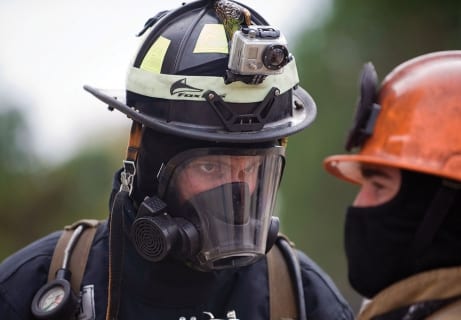
I recently fielded a question from a Situational Awareness Matters member on the use of helmet cameras and the impact it might have on situational awareness. Here is the question: Would you please be so kind as to point me in the direction of literature, articles, websites or advice on the impact of personal cameras

Helmet Cams and Risky Behaviors Read More »

How We Decide … Anything

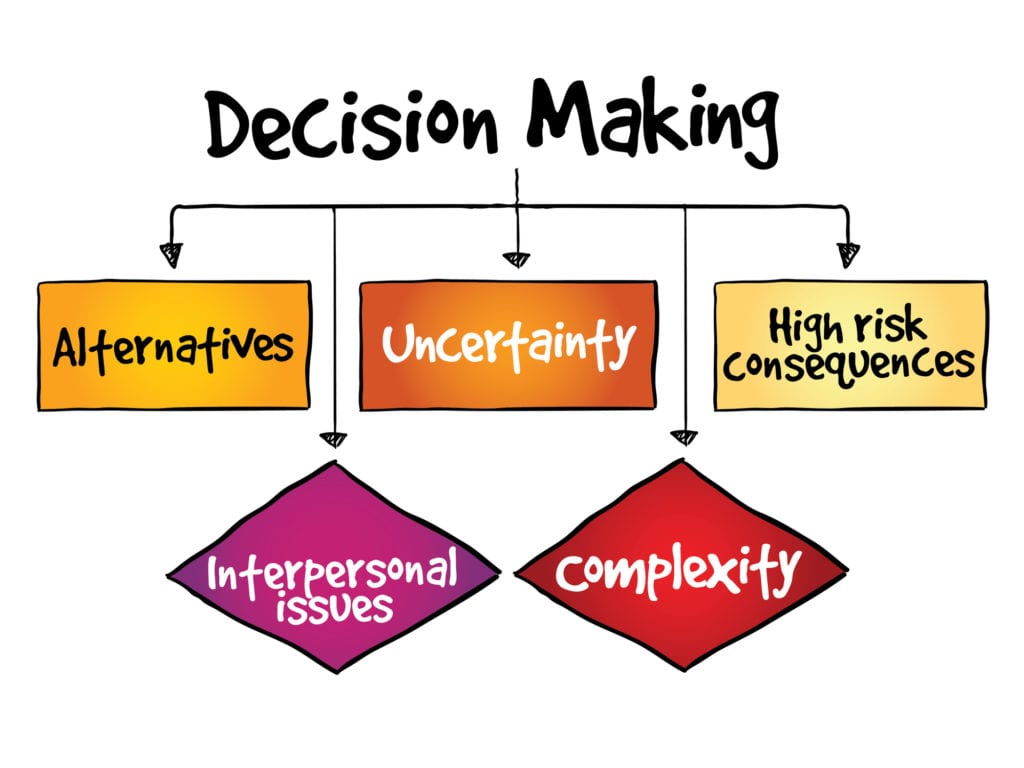
How you decide to do something is a complex process that involves multiple brain regions. Are decisions made with the rational brain or the intuitive brain? The answer, surprisingly, is both. Rational judgment allows you to process facts and data essential to good decision making. Intuition allows you to tap into past training and experiences

How We Decide … Anything Read More »